
You might notice your teen complaining of teeth stains or comparing their friends’ smiles to their own. When that happens, you might wonder what the right age is to begin teeth whitening. The answer depends on age, but also on tooth development, enamel health, and the reason for the discoloration.
If you’re thinking about teeth whitening for yourself or your child, it helps to start with timing and expectations. Whitening works best when the teeth and gums are healthy, there’s a known cause of tooth discoloration, and the method fits the person’s age and dental needs. Your family dentist in Roy can help you determine all of that.
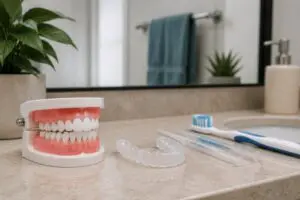
Why Age Matters with Teeth Whitening
Teeth continue developing through childhood and into the teen years. Younger teeth have larger pulp chambers, which means the inner part of the tooth sits closer to the surface. That can make whitening products feel stronger and raise the chance of sensitivity.
This is one reason dentists tend to approach whitening cautiously in children. A smile may look a little dull or uneven during the years when baby teeth and adult teeth overlap, but that doesn’t always call for treatment. Permanent teeth often come in naturally darker than baby teeth, which can make the difference more noticeable for a while.
Waiting until more adult teeth have come in usually gives you a clearer picture of the smile’s long-term color. It also makes the process easier to evaluate because the goal is no longer changing every few months.
The Difference Between Wanting Whiter Teeth and Needing Them
Some discoloration is cosmetic. Coffee, tea, soda, sports drinks, and inconsistent brushing can all leave surface stains over time. In those situations, whitening may become part of the conversation once the teeth and gums are healthy enough for it.
Other cases need a closer look first. Dark spots, white patches, gray tones, or uneven color can point to enamel issues, past injury, medication effects, or early decay. Whitening those teeth without understanding the cause may leave you frustrated and make it harder to spot a real dental problem.
A Practical Age Range for Whitening
Many dentists prefer to wait until the mid-to-late teen years before considering whitening products, especially stronger ones. By then, more permanent teeth have erupted, and the enamel and overall bite pattern are easier to assess.
There’s no universal birthday that flips whitening from wrong to right. The better question is whether the smile is sufficiently developed and healthy.
For many families, around age 14 to 16 is when whitening starts to come up more seriously. But even then, it should be guided by a dentist. Some teens are excellent candidates. Others should wait because of sensitivity, active cavities, gum irritation, or recent orthodontic treatment.
Adults have more flexibility, but the same basic rule applies. Healthy teeth and gums come first. Whitening works best as a cosmetic step, not as a shortcut around underlying dental issues.
Why Over-the-Counter Whitening Can Be Tricky
It’s easy to assume a store-bought whitening strip is harmless because it is readily available. That is not always the case. Whitening products can irritate gums, cause tooth sensitivity, and yield uneven results when used too early or without guidance.
This comes up often with teens who want quick results before a dance, graduation, or photo session. They may use too much product, leave it on too long, or apply it to teeth that already need dental attention. If braces are involved, whitening can leave a mismatched color because the product doesn’t reach the enamel beneath the brackets.
If you’re considering whitening, ask a dentist to examine your teeth first. That one step can save time, money, and a lot of disappointment.
Situations Where It Makes Sense to Wait
Sometimes the best whitening advice is to hold off. Waiting can lead to better results and a better overall experience.
A dentist may recommend waiting if you have:
- Active cavities or gum inflammation
- Significant tooth sensitivity
- Mixed baby and permanent teeth
- Braces still on the teeth
- Discoloration caused by injury or internal tooth changes
That doesn’t mean you have no options. A cleaning, improved brushing habits, diet changes, or post-braces polishing may improve the smile enough that whitening feels less urgent.
What to Do Before Whitening
A healthy foundation matters more than the whitening method itself. Before you whiten, make sure the teeth are clean and the gums are in good condition. That often starts with a routine exam and cleaning.
If you’re helping a teen think through the decision, it also helps to talk about expectations. Whitening can brighten teeth, but it doesn’t create a paper-white smile, and it doesn’t change the color of fillings, crowns, or bonded areas. Natural-looking improvement is usually the best goal.
This is also a good time to look at daily habits. Dark drinks, tobacco, poor brushing, and inconsistent flossing can all work against whitening treatments. Whitening tends to hold up better when those habits are addressed first.
How to Think About Whitening By Life Stage
Different ages call for different priorities. Children usually need prevention, not whitening. Good brushing, fluoride, regular cleanings, and checks on any unusual discoloration matter most.
Teens may start asking about whitening for social reasons, especially after braces or before major events. A dental exam helps determine whether the timing is right.
Adults usually have the widest range of options, but they still benefit from an exam first, especially if the discoloration has changed over time or only affects certain teeth.
A Better Question to Ask
Instead of asking what the right age is for teeth whitening, try asking your dentist if the teeth are ready for whitening. That question gets you closer to the real answer. It shifts the focus from a number to the smile’s actual condition.
If the teeth are healthy, the gums are stable, and the discoloration is the kind that whitening can improve, age matters less than readiness. If those boxes aren’t checked yet, a little patience and a trusted Utah dentist usually lead to a better outcome.
A brighter smile can be a reasonable goal. The safest timing usually comes when the teeth have matured, the cause of discoloration is clear, and the person whitening understands what the process can and can’t do. A thoughtful evaluation and realistic expectations can help ensure the results look natural, feel comfortable, and last longer.